In today’s rapidly evolving marketplace, understanding global trends is crucial. It is also important to understand consumer behaviors. These factors are essential for building a brand that endures. As businesses navigate the post-2020 landscape, several key factors have emerged that are reshaping industries and consumer expectations. This small guide explores these dynamics and offers insights into developing a robust brand concept that resonates with modern audiences.
Understanding the Global Landscape
The world has witnessed significant transformations in recent years, particularly due to the impact of COVID-19. This pandemic has altered how we work, socialize, learn, and shop. Businesses and governments have accelerated digital transformation to adapt to these changes. This has resulted in an economy that is more conscious, responsible, and customer-focused than ever before.
Key Global Trends Reshaping the Market:
- Carbon neutrality: A global emphasis on reducing carbon footprints is influencing product development and operational practices. Consumers are increasingly supporting brands committed to sustainability.
- Society as a stakeholder: Companies recognize their responsibility to contribute positively to society. Their responsibility extends beyond shareholders to include employees, communities, and the environment.
- Equity and inclusion: Embracing diversity and fostering inclusive cultures is essential for brand relevance. It reflects the values of a diverse consumer base and contributes to success.
- Digital well-being: As digital engagement intensifies, promoting healthy digital habits is crucial. This builds trust and loyalty with consumers. They are increasingly mindful of their online experiences.
- Purpose-driven leadership: Leaders are expected to guide organizations with clear missions that align with societal values, demonstrating authenticity and integrity.
Understanding these trends is vital before designing products, services, and brand positioning. They influence not only operational strategies but also how a brand is perceived by its target audience.
The Importance of Market Research
Conducting thorough market research is a foundational step in developing a brand concept. It enables businesses to:
- Analyze the Competitive Landscape: Find competitors, understand their offerings, and decide how to differentiate your brand effectively.
- Understand Audience Segments: Recognize the diverse needs and preferences within your target market to tailor your approach and messaging.
- Anticipate Market Changes: Stay ahead by predicting how global trends could influence consumer behavior in your industry.
Reflective Questions:
- How does the current competitive environment affect your business?
- What unique value can your brand offer to stand out in the market?
- Which global trends align with your brand’s vision and values?
This comprehensive understanding ensures that your brand remains relevant and adaptable to future market shifts.
The Influence of Gen Z
Generation Z (Gen Z), born between the mid-1990’s and early 2010’s, is a significant force in shaping culture. They are also influencing society and political landscapes. As the first generation of true digital natives, their preferences and behaviors are transforming markets globally.
Why Gen Z Matters:
- Cultural shapers: Gen Z is redefining cultural norms through their embrace of diversity, inclusivity, and global connection. They influence trends in fashion, music, art, and media.
- Societal impact: Highly engaged in social issues, Gen Z advocates for equality, climate action, and mental health awareness. Their activism drives societal shifts towards more compassionate and equitable communities.
- Political engagement: Gen Z is making a mark in the political arena. They are more likely to vote and participate in political discussions, pushing for policies that align with their values.
Characteristics of Gen Z:
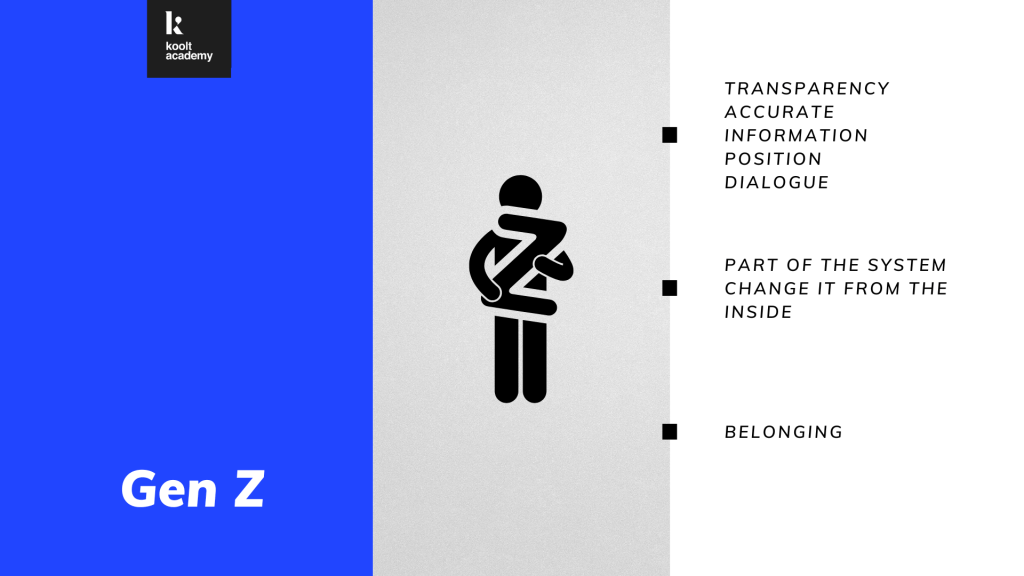
- Value transparency and authenticity: They expect brands to be honest and transparent in their communications and practices.
- Community-oriented: They connect with various groups based on shared interests or causes, fostering a strong sense of community.
- Digital natives: Comfortable with technology, they expect seamless digital experiences across all platforms.
- Access over ownership: They prefer access to products and services rather than owning them outright. They favor models like subscriptions, rentals, and streaming.
- Inclusive and open-minded: Sensitive to social justice issues, they believe in belonging to different communities and embracing multiple perspectives.
Implications for Your Brand:
To resonate with Gen Z:
- Embrace transparency: Be open about your brand’s values, practices, and purpose.
- Foster dialogue: Engage with your audience in meaningful conversations and build a sense of community.
- Prioritize social responsibility: Align your brand with causes that matter to Gen Z, demonstrating a commitment to positive societal impact.
- Offer flexibility and convenience: Consider business models that provide access rather than ownership.
- Enhance digital experiences: Ensure your digital platforms are user-friendly and offer seamless experiences across various channels.
Adapting to Cultural and Societal Shifts
Cultural, social, environmental, and technological trends significantly impact how products are designed and how brands are positioned in the market. It’s essential to continually assess:
- Application to your business: Determine how current trends apply to your industry and what adjustments are necessary.
- Opportunities for innovation: Explore ways to innovate or adapt aspects of these trends within your offerings.
- Impact on relevance and appeal: Stay aware of shifts that could affect your brand’s resonance with its audience.
By staying informed and adaptable, you can create a brand that meets current needs and anticipates future expectations.
Building a Stable and Resilient Brand Foundation
To ensure your brand thrives in an evolving marketplace:
- Conduct comprehensive market research: Stay informed about industry trends, consumer behaviors, and competitor strategies.
- Define your brand purpose: Establish a clear mission and values that resonate with your target audience.
- Innovate thoughtfully: Adapt your products and services to align with emerging trends and consumer expectations.
- Listen and engage with your audience: Build relationships through open communication, community engagement, and responsive customer service.
- Embrace inclusivity and diversity: Reflect these values in your brand messaging, workforce, and business practices.
- Stay agile: Be prepared to pivot and adapt as market conditions and consumer preferences change.
Implementation Tips:
- Collaborate with influencers: Partner with voices that resonate with your target audience to enhance credibility and reach.
- Invest in sustainable practices: Demonstrate a genuine commitment to environmental stewardship.
- Engage in social dialogue: Participate in conversations on social issues, showing that your brand is attuned to societal concerns.
Conclusion
Understanding and adapting to global trends and the influence of Gen Z is crucial. This adaptation builds a brand that is relevant, resilient, and successful. Aligning your brand with these insights positions your business to meet the evolving needs and expectations of your customers.
Next Steps:
- Develop your brand strategy: Utilize the insights gained to formulate a strategic plan for your brand concept.
- Engage with your community: Join discussions with peers and your audience to share ideas and gain new perspectives.
- Implement and iterate: Put your plans into action, monitor results, and be ready to make adjustments as needed.
Recognizing global trends and the influence of Gen Z is crucial. By adapting to these trends, you’re not just creating a brand. You’re shaping a better future. Your brand has the potential to make a meaningful impact on culture, society, and even political landscapes.
Join the Conversation
Embrace this journey with confidence and purpose. Build a brand that resonates deeply with your audience. Ensure it stands the test of time.
- Participate in industry events: Engage in workshops and seminars to apply what you’ve learned and stay updated.
- Seek feedback: Reach out to mentors, peers, and your target audience to receive constructive feedback on your brand concept.
- Stay connected: Keep the dialogue open within your community of forward-thinking marketers and entrepreneurs.
Together, we can navigate the evolving landscape. We can harness the power of global trends. We can also embrace the influence of Gen Z to create brands that make a difference.
 OANA MUDURA
Lasă un comentariu